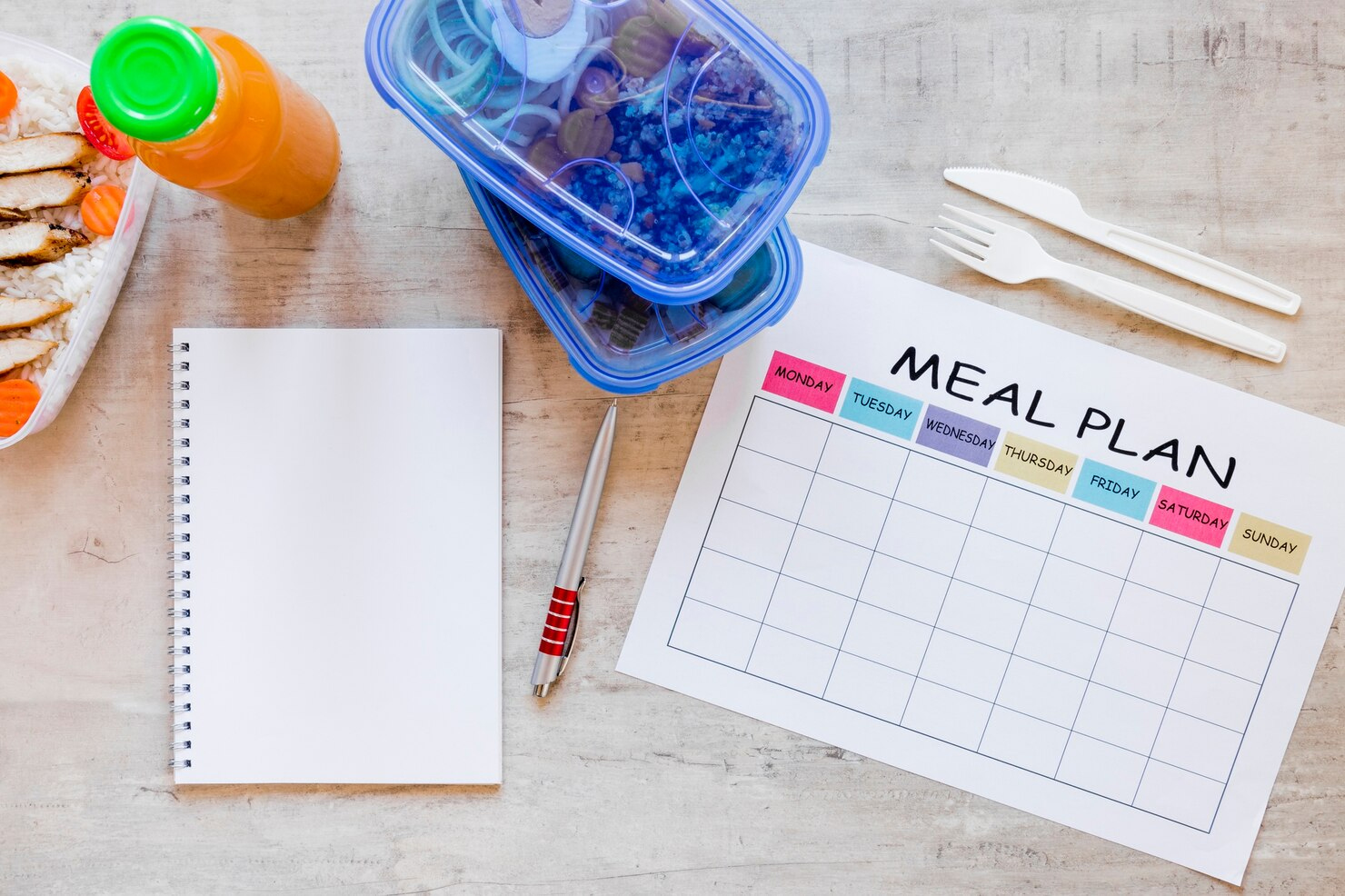
Feeding a family on a budget has become more challenging in recent years, especially with rising grocery prices. However, a smart meal plan can still help families enjoy healthy and filling meals without overspending. The key is focusing on affordable ingredients, simple recipes, and proper planning.
Day one can start with spaghetti and homemade meat sauce. Pasta is affordable, filling, and easy to prepare in large amounts. Add garlic bread and a simple salad to complete the meal. Leftover sauce can also be reused later in the week.
Day two could include chicken rice bowls. Cooked rice, grilled chicken, and frozen vegetables create a balanced meal that costs very little per serving. Adding different sauces helps keep flavors interesting.
For day three, breakfast for dinner is always budget-friendly. Pancakes, scrambled eggs, fruit, and toast are affordable while still feeling fun for children. Breakfast meals also cook quickly during busy evenings.
Day four can focus on tacos using ground beef or beans. Taco night allows family members to customize their own plates using lettuce, cheese, tomatoes, and sauces. Beans are especially affordable and provide excellent protein.
Day five may include baked potatoes with toppings. Potatoes are inexpensive, filling, and versatile. Families can add cheese, broccoli, leftover chicken, or sour cream based on what is already available at home.
Budget meal planning also depends heavily on grocery shopping habits. Buying store brands instead of expensive name brands often saves a surprising amount of money. Frozen vegetables are another smart option because they last longer and reduce waste.
Cooking larger portions is another effective strategy. Leftovers can become lunches or future dinners, reducing the need for extra cooking. Families who cook once and eat twice often save both time and money.
Planning snacks matters too. Homemade popcorn, bananas, yogurt, and peanut butter sandwiches are cheaper than individually packaged snacks. Preparing snacks at home also reduces unnecessary spending.
A successful budget meal plan does not require fancy ingredients. Simple meals often become family favorites because they are comforting and easy to prepare. Consistency and planning matter more than expensive recipes.
Meal planning also reduces stress. Instead of deciding what to cook every evening, parents already know what ingredients are available and what meal is next. This helps avoid last-minute takeout orders.
Families should also remain flexible. If certain foods become too expensive, alternatives can easily replace them. Seasonal produce and weekly grocery discounts can guide meal choices while helping save even more money.
With careful planning, families can enjoy satisfying meals without stretching their budget too far. The goal is not perfection but creating a practical routine that supports both finances and healthy eating.
119