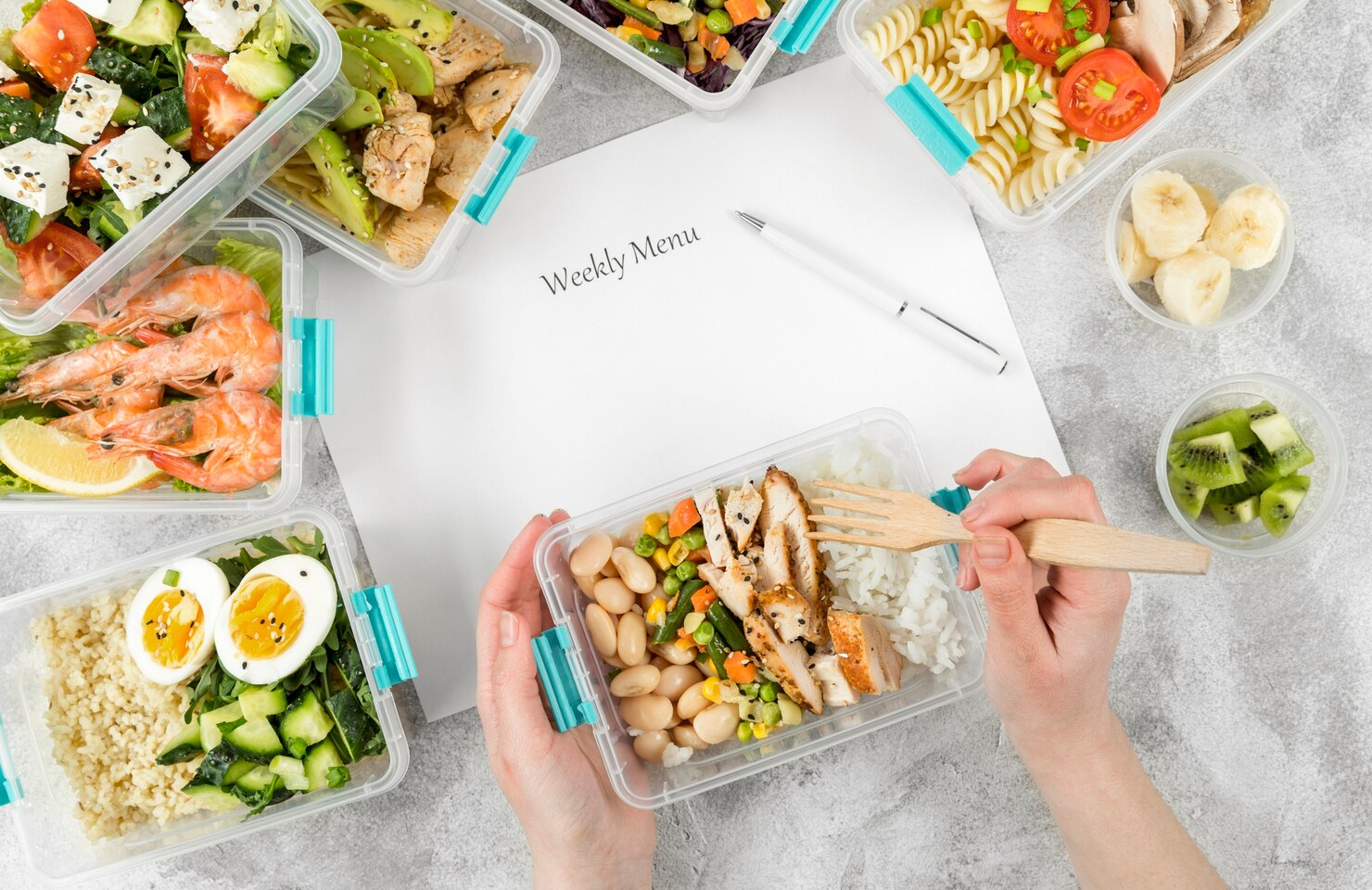
Meal prepping sounds complicated when you first hear about it, but in reality, it is one of the easiest ways to save time, reduce stress, and eat better throughout the week. Many beginners assume meal prep means cooking dozens of meals in one day and spending hours in the kitchen. The truth is much simpler. Meal prep is about planning ahead so daily cooking becomes easier and less stressful.
The best place to start is with a simple plan. Instead of trying to prepare every single meal for the entire week, start with one meal category. Many people begin with lunches because they are easy to pack and repeat. Choose two or three meals you already enjoy and make larger portions. This removes the pressure of learning new recipes immediately.
Another important step is creating a realistic grocery list. A beginner-friendly meal prep routine should include basic ingredients that can be used in different ways. Rice, pasta, chicken, eggs, vegetables, potatoes, and fruits are excellent starting points. Buying flexible ingredients helps reduce food waste and saves money.
Containers also make a big difference. You do not need expensive glass containers at the beginning. Any clean, reusable containers with lids will work. Labeling meals can also help families stay organized during busy weeks.
Time management matters too. Many people choose Sundays for meal prep because it prepares them for the week ahead. Even spending one hour washing vegetables, marinating chicken, or cooking rice can save multiple hours later.
One common mistake beginners make is preparing too much food. Start small. Make enough meals for two or three days first. Once you understand how much your family eats, you can slowly increase your prep routine.
Meal prepping also supports healthier eating habits. When food is already prepared, people are less likely to order fast food or skip meals. Parents especially benefit because prepared meals reduce the stress of school mornings and busy evenings.
Simple recipes work best in the beginning. Sheet pan meals, pasta salads, sandwiches, wraps, and rice bowls are easy to prepare and store well. Avoid overly complicated recipes until you feel comfortable with the process.
Keeping variety is important too. Nobody wants to eat the exact same meal every day. Small changes like switching sauces, vegetables, or seasonings can make meals feel different without extra effort.
Meal prep is not about perfection. Some weeks will go smoothly while others may not. The goal is simply to make life easier. Even partial meal prep can save money, improve eating habits, and reduce stress for busy families.
As confidence grows, meal prep becomes part of a normal routine rather than a difficult task. Families often notice fewer rushed evenings, fewer grocery store visits, and less wasted food. Starting simple is the key to long-term success.